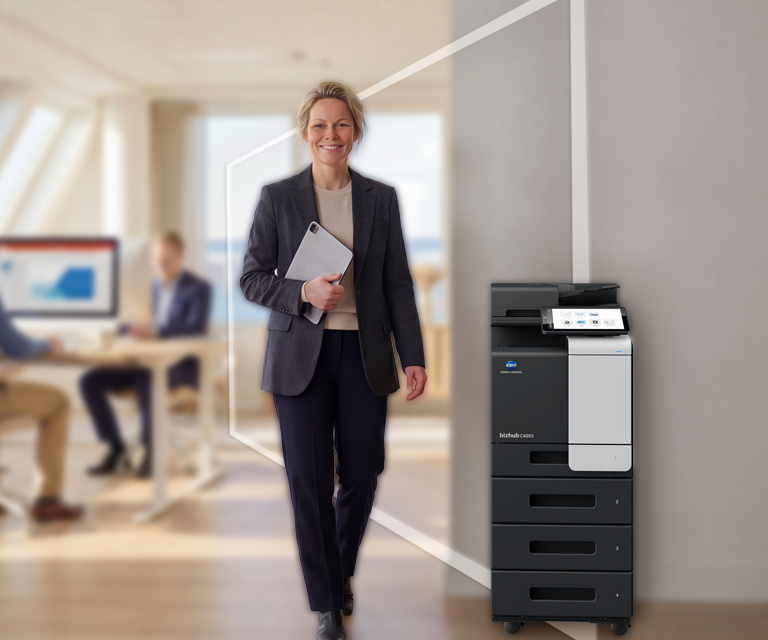


Office printing has come a long way from the days of noisy dot matrix printers and stacks of paper cluttering the workspace. As we move towards 2026, Australian businesses are facing new challenges and opportunities in how they manage printing and document workflows. Cloud print solutions, sustainability, and integration with digital platforms are at the forefront of these trends, promising to reshape the landscape of office printing for years to come.
1. The Rise of Cloud Print Solutions
Cloud print is no longer just a buzzword; it’s quickly becoming the standard for modern offices. In 2026, cloud-based printing platforms are expected to dominate, allowing employees to print from any device, anywhere – whether they’re working at home, in the office, or at a local café. This flexibility is particularly valuable for hybrid workforces, which have become commonplace across Australia.
Leading providers are enhancing their cloud print services to offer secure print release, mobile compatibility, and advanced user management. Integration with tools like Microsoft 365 and Google Workspace means staff can print documents directly from their favourite productivity apps, reducing friction and boosting efficiency.
2. Sustainability and Eco-Friendly Printing
Australian organisations are under increasing pressure to reduce their environmental footprint. As a result, sustainability is a key driver of innovation in office printing. In 2026, you can expect to see printers with lower energy consumption, increased use of recycled materials, and better toner recycling programs. Many businesses are adopting print policies that encourage duplex printing, limit colour usage, and track print volumes to minimise waste.
Managed print services (MPS) are also evolving to help companies monitor and reduce their carbon emissions, with detailed reporting and recommendations for greener practices. Cloud print platforms support these efforts by enabling centralised control and analytics, making it easier to enforce sustainability goals.
3. Enhanced Security and Compliance
With sensitive data flowing through office printers, security remains a top priority. In 2026, expect to see integrated security features such as user authentication, encrypted print jobs, and secure print release (where documents only print when the user is present at the device). These developments help protect confidential information and support compliance with data protection regulations like the Australian Privacy Act.
Cloud print providers are investing heavily in security, offering multi-factor authentication, audit trails, and automatic firmware updates to keep devices and data safe from cyber threats.
4. Liberating IT Teams
Cloud Print solutions free IT teams from the time-consuming burden of managing on-premises print infrastructure. Instead of troubleshooting print queues, deploying drivers, and maintaining servers, IT can focus on strategic projects that drive business growth. By shifting print management to the cloud, SMEs gain a more agile environment, reduce support tickets, and simplify onboarding for hybrid workforces—all without sacrificing security or compliance.
5. Eliminate Print Servers
Removing print servers is a game-changer for small and mid-sized businesses. Traditional servers add cost, complexity, and risk, especially when supporting multiple sites or remote staff. Cloud Print eliminates these pain points by centralising print management in a secure, scalable platform. This not only reduces hardware and maintenance expenses but also ensures consistent print experiences across locations—perfect for businesses looking to streamline operations and cut overhead.
Conclusion
The future of office printing in Australia is dynamic, sustainable, and deeply integrated with digital workflows. As we approach 2026, cloud print solutions will empower businesses to work smarter, greener, and more securely. By embracing these trends, organisations can reduce costs, support flexible work, and minimise their environmental impact – ensuring that printing remains a valuable part of the modern workplace.